

Cyber Threat Intelligence & Crypto Recovery Services: A Comprehensive Guide
In the modern digital landscape, the threat of cyber-attacks is ever-present, affecting everything from personal devices to multinational corporations. Cyber Threat Intelligence (CTI) plays a pivotal role in mitigating these threats by helping organizations understand and prepare for potential dangers in the cyber world.
What is Cyber Threat Intelligence?
Cyber Threat Intelligence refers to the process of gathering, analyzing, and utilizing information regarding existing or potential cyber threats. It helps organizations understand the tactics, techniques, and procedures (TTPs) of cyber adversaries. With this intelligence, businesses can take proactive measures to prevent attacks before they happen.
The Importance of CTI
The importance of CTI cannot be overstated. In an age where cyber threats are evolving at an unprecedented rate, staying one step ahead is crucial. By leveraging CTI, businesses can:
- Prevent breaches
- Enhance their security posture
- Respond faster and more effectively to incidents
- Reduce the impact of a potential attack
Types of Cyber Threat Intelligence
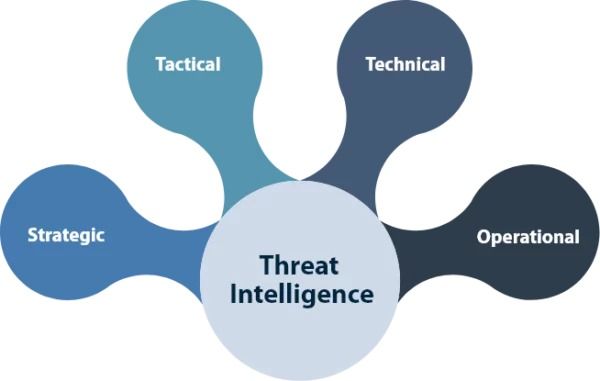
Cyber Threat Intelligence comes in various forms, each designed to address different aspects of cybersecurity. Understanding the different types of CTI is essential for organizations to fully protect themselves from threats.
Strategic Threat Intelligence
Strategic intelligence is the highest-level form of threat intelligence. It provides a broad overview of the cyber threat landscape, including trends, patterns, and emerging threats. This type of intelligence is typically used by decision-makers to shape long-term security strategies.
Tactical Threat Intelligence
Tactical intelligence focuses on the immediate and specific threats targeting an organization. It helps identify attackers’ methodologies, tools, and procedures. Tactical intelligence is often used to defend against particular types of attacks, such as phishing or malware.
Operational Threat Intelligence
Operational intelligence provides actionable insights into ongoing cyber threats. It helps teams respond in real-time, tracking and analyzing the progression of attacks as they occur.
Technical Threat Intelligence
Technical intelligence provides highly detailed information about specific technical aspects of a threat, such as IP addresses, malicious domains, or indicators of compromise (IOCs). It helps security teams spot the specific tools or vulnerabilities used by attackers.
How Cyber Threat Intelligence Works
Cyber Threat Intelligence is not just about gathering data; it involves analyzing, correlating, and acting on that data to defend against potential threats.
Data Collection
The process begins with gathering data from a variety of sources. These sources include open-source intelligence (OSINT), dark web monitoring, and threat feeds from external providers. Additionally, organizations may collect internal data, such as system logs or incident reports, to understand the potential threats they face.
Analysis and Correlation
Once data is collected, the next step is to analyze it. Analysts sift through vast amounts of information, looking for patterns that could indicate an emerging threat. This could involve correlating data points such as attack vectors, malware strains, or identified vulnerabilities.
Threat Mitigation and Response
With actionable intelligence in hand, security teams can initiate response measures. This could involve implementing new security controls, patching vulnerable systems, or taking down malicious infrastructure. The goal is to minimize the impact of a potential attack or neutralize it before it escalates.
Key Benefits of Cyber Threat Intelligence
CTI offers numerous benefits that enhance an organization’s cybersecurity efforts. It goes beyond just detecting threats; it empowers organizations to act proactively, ensuring that they are better prepared for whatever might come their way.
Proactive Defense
Rather than waiting for a breach to occur, CTI enables organizations to anticipate and defend against cyberattacks. By monitoring for early signs of threats, companies can implement preventive measures that reduce the chances of successful attacks.
Reducing Costs
Cyberattacks can be costly, both financially and reputationally. By using CTI to detect threats early, businesses can significantly reduce the costs associated with data breaches, system downtimes, and recovery efforts.
Enhanced Decision Making
CTI provides security teams with detailed, real-time information that aids in making critical security decisions. This intelligence enables organizations to prioritize responses, allocate resources more effectively, and improve their overall security posture.
Improved Incident Response
When an incident occurs, CTI helps organizations respond swiftly and effectively. With detailed insights into the threat landscape, security teams can identify the nature of the attack and take appropriate action, whether it involves blocking malicious IPs, patching software, or isolating affected systems.
Challenges in Cyber Threat Intelligence
While CTI offers immense benefits, there are several challenges organizations face when implementing or using threat intelligence. Understanding these obstacles is essential for maximizing the potential of CTI.
Volume of Data
One of the primary challenges is the sheer volume of data generated in the world of cyber threats. Analyzing large datasets can overwhelm security teams, making it difficult to distinguish between meaningful threats and false alarms.
False Positives
In CTI, false positives can be a significant issue. A threat intelligence tool may flag an activity as malicious when it’s actually benign, leading to wasted resources and potentially hindering the investigation of real threats.
Skill Shortage
There is a shortage of trained professionals in the field of cybersecurity, and this extends to CTI. Without the right expertise, organizations may struggle to effectively analyze and act upon the threat data they receive.
Integration with Existing Security Systems
Integrating CTI tools and platforms with existing security infrastructure can be a complex and time-consuming process. Ensuring seamless communication between different systems is critical for maintaining an effective security posture.
Cyber Threat Intelligence Tools and Platforms
To assist in the collection and analysis of threat data, organizations rely on specialized tools and platforms. These solutions streamline the process and ensure that CTI is actionable.
SIEM (Security Information and Event Management) Systems
SIEM tools, such as Splunk and LogRhythm, aggregate and analyze security event data. They help organizations identify potential threats by correlating data across multiple systems, providing a comprehensive view of the security landscape.
Threat Intelligence Platforms
Platforms like ThreatConnect, Anomali, and IBM X-Force Exchange offer integrated solutions that enable the collection, analysis, and sharing of threat intelligence data. These platforms allow organizations to stay updated on the latest threats, share intelligence with partners, and improve incident response.
Automation Tools
tools help speed up threat detection and response by automating processes such as alert generation, incident investigation, and even incident response. Automation reduces human error and ensures a quicker response to emerging threats.
Real-World Examples of Cyber Threat Intelligence in Action
Cyber Threat Intelligence is more than a theoretical concept. It is actively used by organizations worldwide to thwart cybercriminals and prevent data breaches.
Case Study 1: Protecting a Financial Institution
In 2020, a global bank used CTI to identify and block a coordinated phishing campaign targeting its customers. By analyzing threat data, the bank was able to pinpoint the malicious actors’ tactics and take swift action to stop the campaign before any customer data was compromised.
Case Study 2: Government Agencies and National Security
Governments worldwide rely on CTI to protect national security. For instance, the U.S. government uses CTI to defend against foreign state-sponsored attacks. Through collaboration with private companies, agencies like the FBI and DHS can access and share threat intelligence to combat espionage and cyber warfare.
Cyber Threat Intelligence and Emerging Threats
The cyber threat landscape is always evolving, with new types of attacks and tactics emerging regularly. CTI must adapt to address these new challenges.
Advanced Persistent Threats (APTs)
APTs are sophisticated, long-term attacks carried out by well-funded adversaries, often with political or economic motives. CTI helps organizations detect APTs by identifying their complex and stealthy tactics.
Ransomware and Malware Attacks
Ransomware and malware continue to be major threats, with attackers using increasingly advanced methods to infiltrate systems. CTI helps identify these threats early, track their movements, and prevent further damage.
IoT (Internet of Things) Security
As more devices become connected to the internet, the attack surface expands. CTI is essential for monitoring IoT devices and ensuring they are secure from cyber threats.
AI and Machine Learning in Cybersecurity
Artificial intelligence and machine learning are transforming CTI by enabling faster and more accurate threat detection. These technologies can automatically analyze patterns, detect anomalies, and predict new types of attacks.
Transition to Crypto Recovery Services
As digital assets, especially cryptocurrencies, become more popular, they also become prime targets for cybercriminals. In this context, Crypto Recovery Services have emerged to help individuals and organizations recover stolen or lost cryptocurrencies.
Overview of Crypto Recovery Services
Crypto Recovery Services specialize in retrieving lost or stolen cryptocurrency, often due to fraud, hacking, or errors. These services employ a combination of technical expertise, blockchain forensics, and legal action to track down and recover assets.
Relation Between Cyber Threat Intelligence and Crypto Recovery
CTI plays a crucial role in crypto recovery. By using blockchain analysis and identifying malicious activity, CTI can assist in tracking stolen cryptocurrencies and identifying the perpetrators.
Understanding Crypto Recovery Services
Crypto Recovery Services are an essential resource for individuals and businesses who have lost cryptocurrency due to hacking, scams, or mistakes.
Why Crypto Recovery is Necessary
Cryptocurrency theft is on the rise, and unlike traditional currency, cryptocurrencies are often irreversible once transferred. Recovery services specialize in tracing these transactions and recovering assets, often working with law enforcement and cryptocurrency exchanges.
How Crypto Recovery Works
Crypto recovery involves several steps, including tracing the blockchain for stolen assets, working with law enforcement to track down criminals, and attempting to reverse fraudulent transactions, if possible.
Types of Crypto Fraud
Crypto fraud can take many forms, including:
- Phishing attacks
- Ponzi schemes
- Exchange hacks
- Wallet thefts
The Process of Crypto Asset Recovery
The process of recovering stolen crypto is intricate and requires both technical expertise and legal knowledge.
Assessment of Loss
The first step is determining the scope of the loss and the method by which the funds were stolen. This includes checking transaction histories, wallet logs, and possible vulnerabilities exploited during the theft.
Tracking the Stolen Crypto
By analyzing blockchain transactions, investigators can trace the path of the stolen funds across different wallets and exchanges. Blockchain forensics tools like Chainalysis and CipherTrace are commonly used for this purpose.
Recovery Techniques
Recovery techniques include attempting to negotiate with the perpetrators, working with law enforcement, or leveraging cryptocurrency exchanges to freeze stolen assets. In some cases, private key recovery may also be possible.
Tools and Platforms for Crypto Recovery
Several platforms and tools are used to assist in crypto recovery:
Blockchain Forensics Tools
These tools allow investigators to trace cryptocurrency transactions and identify patterns that can lead to the perpetrators. Examples include:
- Chainalysis: A blockchain analytics platform that helps track and investigate cryptocurrency transactions.
- CipherTrace: Another powerful blockchain analytics tool used for tracking stolen assets.
Crypto Exchange Cooperation
Many exchanges are now cooperating with authorities and crypto recovery services to freeze and return stolen assets. However, the effectiveness of this cooperation depends on the jurisdiction and regulations of the exchange.
Why Choose a Professional Crypto Recovery Service?
Professional services have the expertise, tools, and legal knowledge to recover lost or stolen cryptocurrencies effectively.
Expertise and Tools
Professionals have access to sophisticated tools and technologies that make it easier to track stolen assets across multiple blockchains.
Secure and Safe Process
Recovery services ensure that your personal information remains secure while working to retrieve your crypto. Additionally, they have systems in place to prevent further scams or fraud.
Real-World Success Stories
Many crypto recovery services have successfully retrieved assets for clients. One such case involved a user who had fallen victim to a phishing scam, with over $500,000 in crypto stolen. Using blockchain forensics and working with law enforcement, the recovery team successfully traced the funds and returned them to the client.
Risks and Challenges in Crypto Recovery
While crypto recovery services are valuable, there are several challenges and risks to consider.
Impossibility in Some Cases
In some cases, recovery may not be possible due to the nature of the theft, the lack of information, or the inability to trace the stolen funds.
Scams in Crypto Recovery
There are fraudulent recovery services that prey on victims of crypto theft. Always ensure that you’re working with a legitimate and reputable service.
Lack of Regulation
The lack of regulation in the crypto space makes recovery efforts challenging, particularly when it comes to working with exchanges and law enforcement.
Future of Cyber Threat Intelligence and Crypto Recovery
As the digital landscape continues to evolve, both CTI and crypto recovery services will continue to play an essential role in protecting businesses and individuals from cybercriminals.
Evolving Threats and Adaptations
Cybercriminals are constantly innovating their tactics, so CTI and crypto recovery must also evolve to address new threats. AI and machine learning will likely play a growing role in detecting and responding to attacks.
The Role of AI in Threat Intelligence and Crypto Recovery
AI can enhance CTI by improving threat detection, automating responses, and predicting new threats. In crypto recovery, AI can help analyze vast amounts of blockchain data more efficiently.
The Growing Need for Cybersecurity Services
As cyber threats continue to increase, both CTI and crypto recovery services will become indispensable for ensuring digital security.
Conclusion
In conclusion, Cyber Threat Intelligence and Crypto Recovery Services are two critical components in the fight against cybercrime. CTI helps organizations identify and mitigate threats before they escalate, while crypto recovery services provide a lifeline for individuals and businesses who have fallen victim to crypto theft. By staying informed and proactive, businesses and individuals can safeguard their digital assets and stay one step ahead of cybercriminals.