
Hyperinflation in Zimbabwe: A Cautionary Tale of Economic Collapse
When Money Loses Meaning
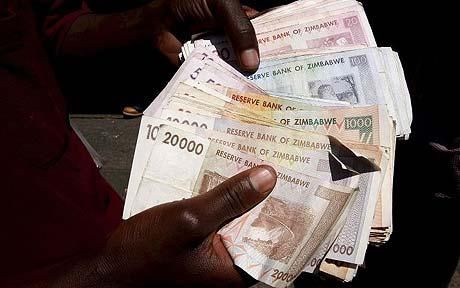
hyperinflation in zimbabwe: Imagine walking into a store with a wheelbarrow full of cash, only to leave empty-handed. This was the brutal reality for millions during the peak of hyperinflation in Zimbabwe, one of the worst financial disasters in modern history. Zimbabwe’s economic collapse, driven by poor governance and reckless monetary policies, transformed the nation into a textbook case of what happens when inflation spirals out of control.
In this article, we’ll delve deep into the history of hyperinflation in Zimbabwe, explore its causes, analyze the effects on society, and review the ongoing Zimbabwe currency crisis. If you’re curious about how a nation’s economy can unravel so catastrophically, read on.
History of Hyperinflation in Zimbabwe
A Promising Start Turns Sour
At independence in 1980, Zimbabwe was seen as a potential African success story. Boasting fertile land, a relatively advanced infrastructure, and rich mineral resources, the country had the foundations of a thriving economy. However, things began to fall apart by the late 1990s.
The Dominoes Begin to Fall
Key events that led to hyperinflation included:
-
1997: President Robert Mugabe’s unbudgeted payout to war veterans triggered a market panic.
-
2000: Violent land reforms seized white-owned commercial farms, devastating agricultural output.
-
2001–2003: International sanctions and loss of investor confidence accelerated capital flight.
-
2004–2008: The central bank printed money excessively to fund government spending, wages, and debt.
By 2008, inflation reached astronomical levels — an estimated 79.6 billion percent month-on-month in November, according to the Cato Institute.
“Hyperinflation is always and everywhere a monetary phenomenon.”
— Milton Friedman
Zimbabwe Currency Crisis: From Dollars to Trillions
The Rise of the Zimbabwe Dollar
The Zimbabwean dollar (ZWD) was once at par with the U.S. dollar. But due to unrestrained money printing and a collapsing economy, the currency began to lose its value rapidly. In response, the Reserve Bank issued increasingly absurd denominations — including Z$100 trillion banknotes.
Abandoning the Local Currency
In 2009, Zimbabwe abandoned its own currency and adopted a multi-currency system using the U.S. dollar, South African rand, and others. This temporarily stabilized prices and restored some economic activity. However, the damage to public trust in any state-issued currency had already been done.
Causes of Hyperinflation in Zimbabwe
Understanding the root causes helps us learn from Zimbabwe’s mistakes:
1. Uncontrolled Money Printing
Faced with rising debt and political demands, Zimbabwe’s central bank printed money indiscriminately, violating basic economic principles.
2. Decline in Agricultural Production
The chaotic land reform policies destroyed the backbone of Zimbabwe’s economy — commercial farming — slashing both exports and food security.
3. Corruption and Poor Governance
Rampant corruption, misallocation of public resources, and lack of fiscal discipline deepened the crisis.
4. Isolation from the Global Economy
International sanctions and severed diplomatic ties further reduced foreign investment and aid.
Effects of Hyperinflation in Zimbabwe
The consequences of Zimbabwe’s hyperinflation were far-reaching and catastrophic:
1. Collapse of Purchasing Power
With prices doubling daily, wages became meaningless. Workers were paid frequently (sometimes daily) just to keep up with prices.
2. Erosion of Savings and Pensions
Lifelong savings were wiped out overnight. Pensioners found themselves destitute.
3. Rise in Barter Trade and Informal Economy
As confidence in the Zimbabwe dollar vanished, people resorted to barter systems, foreign currencies, or black-market transactions.
4. Mass Emigration
Millions left the country in search of economic stability, leading to a brain drain that further weakened the nation’s prospects.
5. Social and Political Unrest
The collapse of public services, schools, and hospitals triggered widespread protests, crackdowns, and unrest.
Lessons from the Zimbabwe Economic Collapse
The Zimbabwean experience underscores the importance of:
-
Independent central banking
-
Fiscal transparency
-
Property rights
-
Sound economic planning
Other nations, especially those facing rising debt and inflationary pressures, should heed this warning. The Zimbabwe economic collapse is not merely a historical footnote — it’s a living lesson.
Zimbabwe’s Currency Today: A Continued Crisis
After a decade of relative calm under the dollarized economy, Zimbabwe reintroduced the Zimbabwean dollar (ZWL) in 2019. Predictably, inflation returned.
As of 2025, inflation remains high, and confidence in the new currency is minimal. Zimbabweans often prefer to transact in USD, rand, or stablecoins like USDT, showcasing the country’s ongoing currency crisis.
Global Implications and Warnings
While Zimbabwe’s hyperinflation is extreme, it is not unique. Venezuela, Weimar Germany, and Yugoslavia have all experienced similar crises. In an interconnected global economy, monetary missteps in one nation can have ripple effects.
Hyperinflation Can Happen Anywhere
-
Overreliance on central banks
-
Reckless government spending
-
Political instability
These risks aren’t limited to developing countries.
Conclusion: The Cost of Losing Economic Control
The hyperinflation in Zimbabwe is more than a national tragedy — it’s a cautionary tale for the world. When governments print money to solve structural issues, the result is almost always disaster. The scars left by Zimbabwe’s currency crisis, economic collapse, and runaway inflation still haunt the country today.
As economic uncertainties loom in various parts of the world, Zimbabwe’s past reminds us: no economy is immune from collapse if foundational principles are ignored.
Call to Action
If you found this article insightful, share it with others to spread awareness of the dangers of hyperinflation. For more economic breakdowns, crypto insights, and currency news, subscribe to our newsletter and stay informed.