
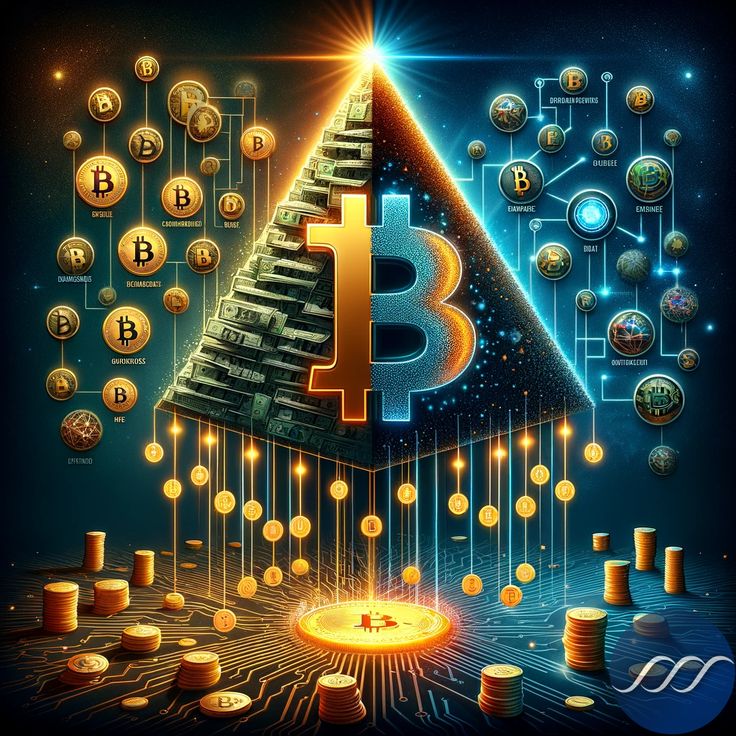
Is Bitcoin a Scam? Unpacking Bitcoin Pyramid Scheme Claims and Fraud Allegations
The Bitcoin Scam Debate—Myth or Market Misunderstanding?
Bitcoin is a ponzi scheme? This question continues to circulate even over a decade after the cryptocurrency’s launch. As Bitcoin gains popularity, it also draws scrutiny—from government watchdogs, financial institutions, and skeptical investors. Accusations such as Bitcoin pyramid scheme claims, criticism of Bitcoin legitimacy, and Bitcoin fraud allegations have intensified as the price fluctuates wildly and some bad actors misuse the technology.
In this comprehensive guide, we separate fact from fiction. We explore the mechanics of Bitcoin, respond to the most common scam allegations, and examine why—despite its controversy—Bitcoin continues to thrive as a decentralized digital asset.
What Is Bitcoin? A Quick Primer
Before diving into scam allegations, it’s important to understand what Bitcoin is—and what it isn’t.
What Makes Bitcoin Unique
-
Decentralized Network: No single entity controls Bitcoin.
-
Limited Supply: Only 21 million bitcoins will ever exist.
-
Blockchain Technology: Bitcoin uses a transparent, immutable ledger.
-
Peer-to-Peer Transactions: No banks or intermediaries needed.
This open-source structure forms the basis of Bitcoin’s credibility—yet, it also creates a gray area exploited by scammers, fueling many of the allegations we’ll examine next.
Is Bitcoin a Scam? Breaking Down the Core Accusations
1. Bitcoin Pyramid Scheme Claims
Some critics label Bitcoin as a pyramid scheme. But how accurate is this?
What Is a Pyramid Scheme?
A pyramid scheme is a fraudulent investment strategy where returns are paid using new investors’ funds rather than profits from actual investments.
Why Bitcoin Is Not a Pyramid Scheme
-
No Central Promoter: There’s no entity recruiting people with promised returns.
-
No Referral-Based Payouts: Users earn or buy Bitcoin directly—not through recruitment.
-
Transparent Transactions: Blockchain tech makes all transactions traceable.
✅ Conclusion: Bitcoin, by design, lacks the structure that defines pyramid schemes. However, scammers often use Bitcoin in pyramid schemes, which leads to confusion between the tool and its misuse.
2. Bitcoin Fraud Allegations: What’s Real and What’s Not?
Fraud is a serious concern in any financial system. But is Bitcoin itself fraudulent?
Common Allegations
-
Ransomware Demands in BTC
-
Fake Investment Platforms
-
Impersonation Scams using Bitcoin
While these fraudulent schemes use Bitcoin, they are external abuses of the currency—not evidence that Bitcoin itself is a scam.
Notable Legal Clarifications
-
The U.S. Securities and Exchange Commission (SEC) has acknowledged Bitcoin as a commodity, not a security.
-
El Salvador legalized Bitcoin as legal tender, reinforcing its legitimacy.
3. Criticism of Bitcoin Legitimacy: The Skeptic’s Case
Bitcoin has received intense criticism from economists, banks, and governments.
Top Legitimacy Concerns
-
Volatility: Prices can swing 20–30% in days.
-
Energy Use: Bitcoin mining consumes significant power.
-
Use in Illicit Transactions: Criminals have used BTC on darknet markets.
Responses from the Bitcoin Community (bitcoin is a ponzi scheme)
-
Volatility is Expected in Emerging Assets.
-
Mining Efficiency is Improving through sustainable energy and proof-of-work innovation.
-
Illicit Activity Is Decreasing: Blockchain analytics firms like Chainalysis track BTC transactions, making it less anonymous than many assume.
🔗 Chainalysis Report on Crypto Crime
✅ Conclusion: Criticism of Bitcoin legitimacy often stems from misunderstanding or outdated data. While the network isn’t perfect, it’s not inherently fraudulent.
Why Do Bitcoin Scam Accusations Persist?
Several factors contribute to the recurring suspicion around Bitcoin:
-
Media Sensationalism: Headlines attract attention by using words like “Ponzi” or “fraud.”
-
High-Profile Losses: Mt. Gox collapse, QuadrigaCX disappearance, and others.
-
Crypto-Related Scams: Scammers posing as recovery experts, or fake exchanges promising unrealistic returns.
Bitcoin’s decentralized nature means there is no official spokesperson, making it harder to combat misinformation.
Bitcoin vs. Ponzi Schemes: A Side-by-Side Comparison
| Feature | Ponzi Scheme | Bitcoin |
|---|---|---|
| Central Operator | Yes | No |
| Promised Returns | Guaranteed | None |
| Transparent Ledger | No | Yes (via blockchain) |
| Regulatory Classification | Illegal in most jurisdictions | Legal in many countries |
| Real Product or Utility | None | Yes (currency, asset, tech) |
Red Flags: How Scammers Use Bitcoin in Fraudulent Schemes
It’s crucial to separate Bitcoin from scams that use Bitcoin.
Common Bitcoin-Based Scams (bitcoin is a ponzi scheme)
-
“Crypto Recovery” Fraud: Fake recovery agents promising to retrieve lost BTC.
-
Phishing Wallets: Fake apps or wallets that steal credentials.
-
Celebrity Endorsement Scams: Fake ads claiming Elon Musk or others are giving away BTC.
Best Practices to Avoid Bitcoin Scams
-
Use Verified Exchanges like Coinbase, Binance, or Kraken.
-
Enable 2FA on wallets and exchanges.
-
Avoid “Too Good to Be True” Offers.
-
Check Domain URLs Carefully.
-
Consult Reputable Sources for news and investment guidance.
Conclusion: So, Is Bitcoin a Scam?
The answer is clear: Bitcoin itself is not a scam. While scammers may use it to commit fraud, the currency is neutral—just like cash. The pyramid scheme accusations, fraud allegations, and criticism of legitimacy typically stem from misuse by third parties, misunderstanding of the technology, or media misrepresentation.
Bitcoin remains a revolutionary form of money, backed by cryptographic security, global adoption, and decentralized trust.
Call to Action
✅ Still have doubts about Bitcoin’s legitimacy?
Explore our in-depth resources on crypto safety, wallet security, and how to spot scams.