
How to Report Cryptocurrency Fraud: A Complete Guide to Contacting Authorities
Why Reporting Crypto Scams Matters
The surge in cryptocurrency adoption has brought with it a wave of fraudulent schemes, from phishing scams to fake investment platforms. These scams not only drain your digital assets but also erode public trust in blockchain technology. Knowing how to report cryptocurrency fraud can help you recover losses and prevent others from falling victim. (How to report a crypto scam, Reporting crypto scams to authorities, Contact law enforcement about crypto theft and Report blockchain fraud to regulatory agencies)
Whether you’re a victim or simply want to report suspicious activity, this comprehensive guide will walk you through the steps of contacting law enforcement, alerting regulatory agencies, and using official reporting portals. Protect yourself and contribute to the fight against crypto crime.
Recognizing Cryptocurrency Fraud
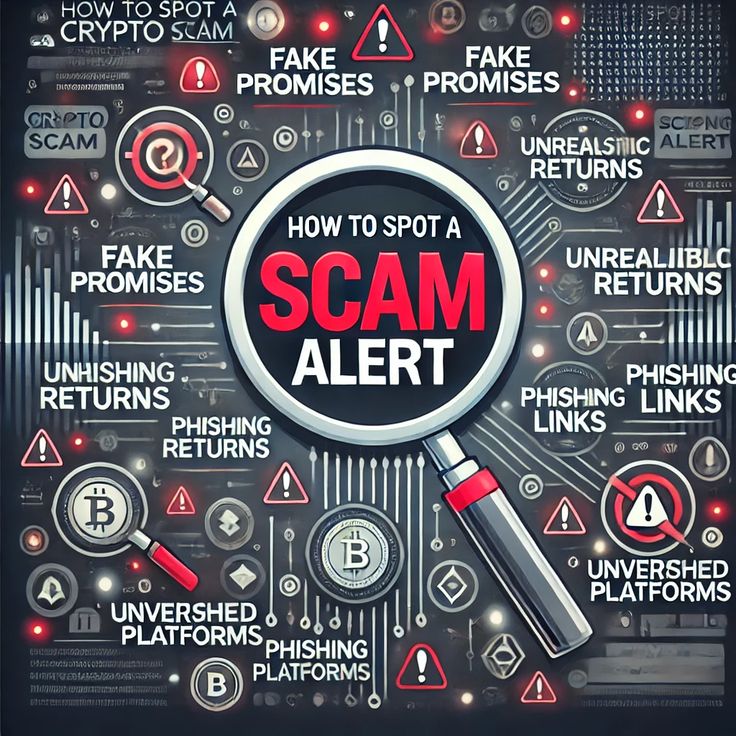
Cryptocurrency scams come in various forms. Recognizing them is the first step before reporting. Common scams include:
Investment and Ponzi Schemes
These promise high returns for early investors but collapse once the flow of new money stops.
Phishing and Fake Wallets
Scammers mimic legitimate crypto wallets or exchanges to steal credentials and private keys.
Romance Scams
Fraudsters develop online relationships to manipulate victims into sending crypto.
Giveaway Scams
Fake social media accounts promise to double your crypto if you send funds first.
If any of these scenarios sound familiar, you should act immediately to report blockchain fraud to regulatory agencies and the police.
How to Report a Crypto Scam to Law Enforcement
File a Local Police Report
Start by contacting your local police department. Provide them with:
-
Transaction IDs and wallet addresses
-
Screenshots of communications
-
URLs of fraudulent websites
-
Your crypto exchange records
While local authorities may lack crypto expertise, this report is crucial for insurance claims or legal action.
Contact National Agencies
United States – FBI’s Internet Crime Complaint Center (IC3)
-
Website: www.ic3.gov
-
Choose “Cryptocurrency scam” under complaint types
United Kingdom – Action Fraud
-
Website: www.actionfraud.police.uk
-
Available 24/7 for filing crypto-related complaints
Canada – Canadian Anti-Fraud Centre (CAFC)
-
Include blockchain wallet details and suspect contact information
Knowing how to report a crypto scam properly improves your chances of seeing justice.
Report Blockchain Fraud to Regulatory Agencies
Government regulatory agencies have dedicated portals to investigate crypto crimes.
U.S. Securities and Exchange Commission (SEC)
-
Website: www.sec.gov/tcr
-
Report ICO fraud or fake investment offerings
Commodity Futures Trading Commission (CFTC)
-
Website: www.whistleblower.gov
-
Focuses on crypto commodities and derivative fraud
Financial Conduct Authority (UK)
-
Website: www.fca.org.uk
-
Maintains a warning list of unregulated crypto firms
By learning to report blockchain fraud to regulatory agencies, you’re helping regulate the fast-moving crypto space.
How to Report Cryptocurrency Fraud to Crypto Platforms
Exchanges and Wallet Providers
Most crypto exchanges (e.g., Binance, Coinbase, Kraken) have support desks or abuse reporting tools. Provide:
-
Date and time of fraud
-
Transaction hash
-
Attacker’s wallet address
-
Screenshots and chat logs
Some platforms work with blockchain forensic firms to assist in asset tracing and flag suspicious wallets.
Contact Law Enforcement About Crypto Theft Internationally
If you’re outside the U.S. or the scam involves international entities, contact:
INTERPOL
-
Website: www.interpol.int
-
Offers resources and can coordinate cross-border investigations
Europol – European Cybercrime Centre (EC3)
-
Website: www.europol.europa.eu
-
Works closely with EU member states on digital fraud
These international bodies can coordinate efforts between law enforcement and regulatory agencies, especially when cross-border activity is suspected.
What Information Do You Need to Report Cryptocurrency Fraud?
The more detailed your report, the better the chances of investigation. Include:
-
Transaction hashes
-
Screenshots of wallet activities
-
Emails or chat messages
-
Social media accounts involved
-
Exchange records
-
IP addresses (if known)
Most official portals allow file uploads and even anonymous submissions.
Can You Recover Lost Cryptocurrency After Reporting?
Unfortunately, most scams do not lead to direct recovery of funds. However, reporting does help in:
-
Freezing the scammer’s wallet (if on a regulated platform)
-
Tracing assets via blockchain analytics
-
Supporting group or class action lawsuits
-
Qualifying for restitution in successful prosecutions
Conclusion: Take Action Now—Don’t Let Scammers Win
Every unreported scam fuels the next. By choosing to report cryptocurrency fraud, you’re not just protecting your finances—you’re helping the entire crypto community become safer. Whether you’re contacting local law enforcement or filing with international regulatory agencies, action matters.
Call to Action
Have you been scammed? Don’t wait—report it today using the steps above. And if you need help tracking lost crypto, check out our list of trusted crypto recovery experts.