
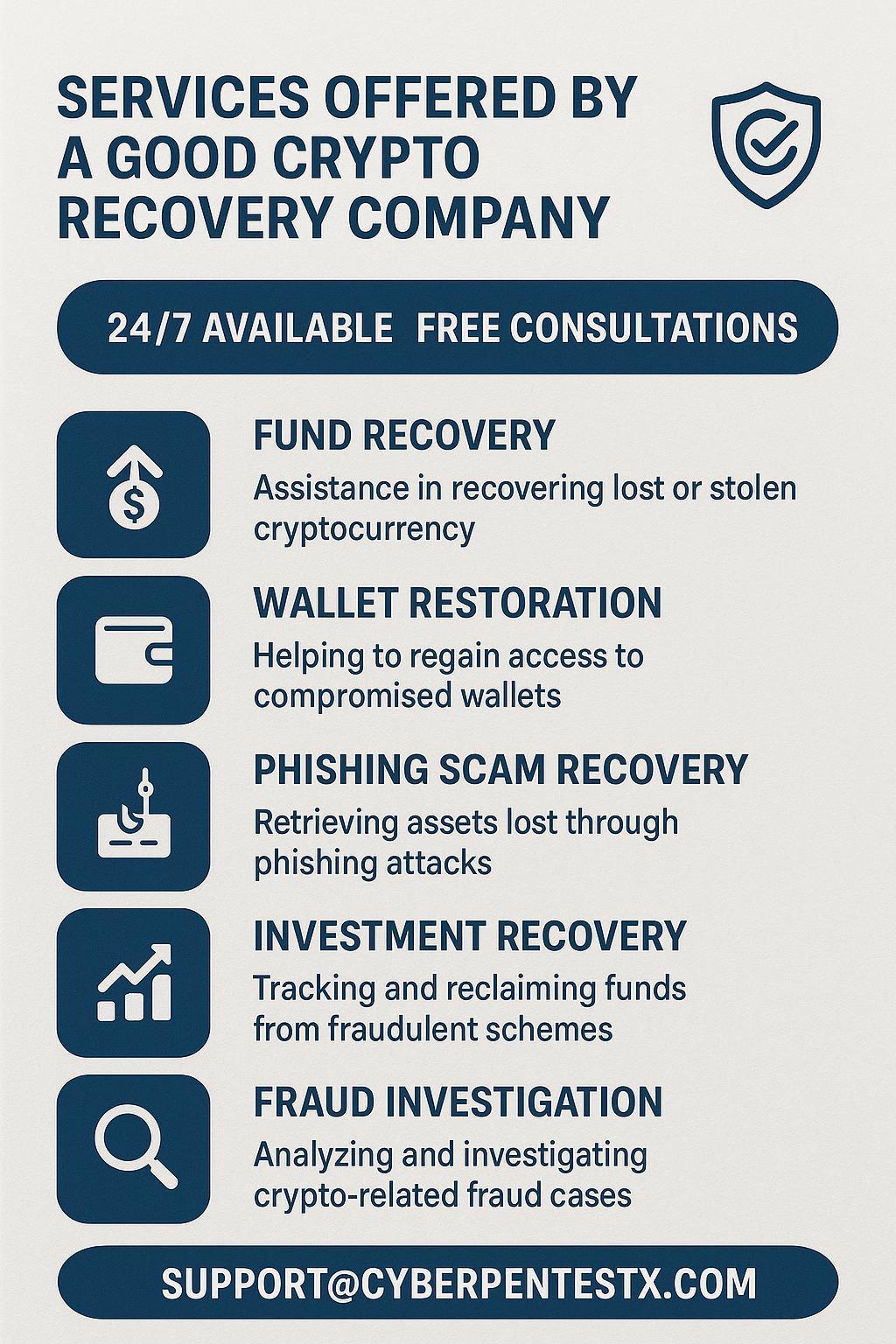
Is Crypto Recovery Real? Exposing the Truth Behind Crypto Asset Recovery
Unmasking the Truth About Recovery
The explosive growth of cryptocurrencies has introduced both incredible opportunities and serious risks. While millions of users enjoy decentralized control over their digital assets, others have suffered devastating losses due to scams, lost passwords, or exchange failures. This leads to a pressing question: Is crypto recovery real? The internet is flooded with ads claiming to recover stolen or lost crypto—but how many of these are legitimate?
This blog dives deep into the legitimacy of crypto recovery services, analyzes whether crypto recovery experts are genuine, and clarifies if crypto asset recovery is actually possible. Whether you’re a victim of crypto fraud or simply researching, this article will help you separate fact from fiction.
What Is Crypto Recovery?
Crypto recovery refers to the process of retrieving lost, stolen, or inaccessible digital assets, such as Bitcoin, Ethereum, or other cryptocurrencies. Common recovery cases include:
-
Forgotten passwords or seed phrases
-
Hacked wallets or exchange accounts
-
Lost access to devices storing wallets
-
Falling victim to crypto scams
But the real challenge lies in whether such recovery is technically and legally possible.
Legitimacy of Crypto Recovery Services
⚠️ A Word of Caution
Most crypto recovery services found online are scams. They often lure victims of crypto fraud with fake testimonials, unrealistic guarantees, and upfront payment requests. The FBI, FTC, and consumer protection agencies worldwide have issued multiple warnings against such fraudulent services.
✅ What Makes a Recovery Service Legitimate?
A legitimate recovery service:
-
Works with blockchain forensic tools
-
Has verifiable experience or partnerships with cybersecurity firms
-
Never asks for your private key or seed phrase
-
Charges only after a recovery is successful or uses a verified escrow service
-
Provides transparency and signed agreements
Some reputable companies use blockchain analytics to trace stolen funds, working with law enforcement or attorneys to initiate fund freezes or legal proceedings.
Examples of (Rare) Legitimate Crypto Recovery Support:
-
Wallet password recovery using brute-force decryption tools
-
Blockchain tracking services that can follow the movement of stolen funds
-
Legal recovery through court orders or crypto exchange compliance teams
Are Crypto Recovery Experts Genuine?
The term “crypto recovery experts” is widely used—often by scammers posing as professionals. So, are crypto recovery experts genuine? Some are—but most are not.
✅ Red Flags of Fake Recovery Experts:
-
Unsolicited messages via Telegram, WhatsApp, or email
-
High-pressure tactics
-
Requesting remote access to your device
-
Asking for sensitive info like your seed phrase
-
No official website or team background
✅ How to Identify a Real Crypto Recovery Expert:
-
Search for certified cryptocurrency recovery professionals with IT, cybersecurity, or blockchain forensic backgrounds
-
Look for transparent case studies or verified customer testimonials on trusted platforms
-
Prefer those affiliated with established cybersecurity firms or law firms
You can also verify credibility through LinkedIn profiles, expert panels, or speaking engagements at blockchain conferences.
Is Crypto Asset Recovery Possible?
🔐 Technical Possibility
-
Yes, in some cases, asset recovery is technically possible—especially when it involves:
-
Lost wallet files
-
Encrypted wallets
-
Forgotten passwords
-
Transactions to known exchange wallets
-
Blockchain is transparent and immutable, which means all transactions are traceable. This helps crypto forensic experts monitor the movement of funds and potentially assist in freezing or recovering stolen assets.
❌ What Is Not Possible
-
Reversing a blockchain transaction
-
Recovering crypto without a private key or legal action
-
“Hacking back” your funds from an anonymous address
These are common myths often propagated by scam recovery services. Crypto is decentralized, and unless the funds are on a centralized exchange or legally frozen, they are generally not recoverable.
Does Crypto Recovery Actually Work?
The answer: Sometimes, but not always.
✅ When It Works:
-
You’ve lost a wallet password or key file, and professional decryption tools are used
-
Your funds were sent to an exchange address, and the platform cooperates with legal authorities
-
Your device with wallet access is corrupted but recoverable through data forensics
-
A scammer is identified, and funds are frozen via court order
❌ When It Doesn’t Work:
-
You handed over your private key to a scam recovery service
-
Funds are moved through mixers or privacy coins like Monero
-
The scammer is anonymous, and no legal action is initiated
Realistic Expectations for Victims
If you’ve lost access to your crypto, here’s what you can reasonably expect:
| Situation | Recovery Possible? | Notes |
|---|---|---|
| Lost wallet password | ✅ Sometimes | Brute-force tools may help |
| Sent funds to scam | ❌ Rare | Unless to known exchange |
| Exchange shutdown | ✅/❌ Depends | If regulated, legal recourse possible |
| Lost device | ✅ | Data recovery may help |
| Phishing attack | ❌ Rare | Funds usually gone instantly |
Always document everything and consider working with certified professionals if you plan to pursue recovery.
Conclusion: Know the Truth Before You Trust
So, is crypto recovery real? Yes—but only under specific conditions and through a handful of trustworthy professionals. Unfortunately, the space is heavily polluted with fake recovery experts, so extreme caution is essential. Always verify credentials, avoid upfront payments, and never share your private keys.
If you’ve lost crypto, do your research, consult with professionals, and remain skeptical of those who promise easy recoveries. In the world of blockchain, knowledge is your first defense.
Call to Action
Have you been a victim of a crypto scam or lost access to your wallet? Don’t panic—take smart steps instead. Read our complete guide on how to recover stolen cryptocurrency, and connect with verified professionals who use legal and forensic tools—not fake promises.